
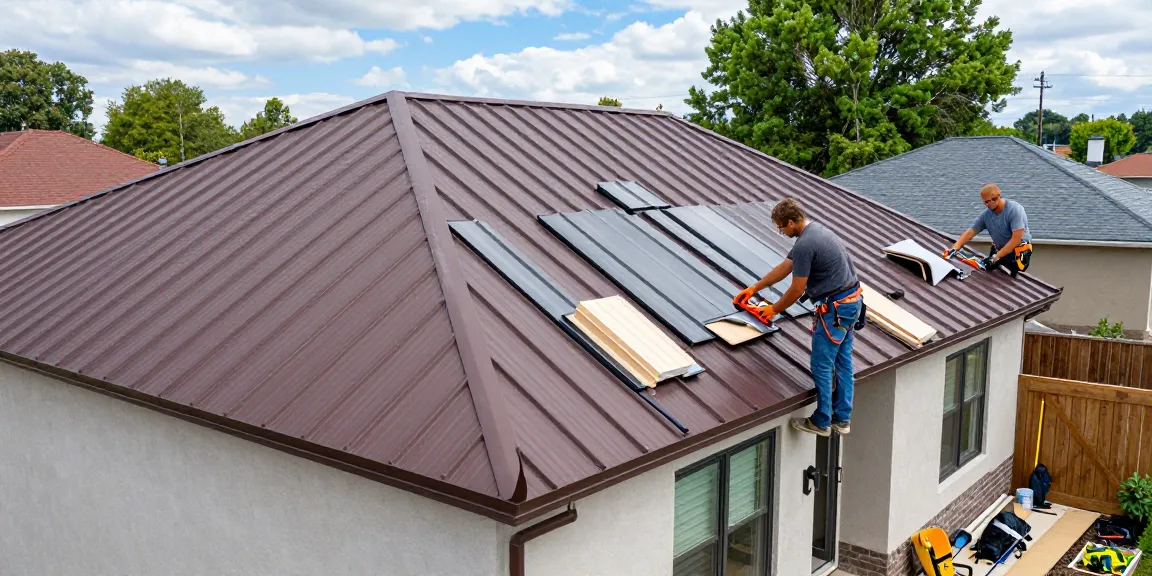
Understanding Metal Roof Installation Projects
Metal roofs are becoming increasingly popular among homeowners and builders alike due to their durability, energy efficiency, and aesthetic appeal. Many people are exploring metal roof installation projects as a long-term investment for their properties. This article provides an in-depth understanding of what these projects entail and why they are essential in today’s roofing landscape.
What are Metal Roof Installation Projects?
Metal roof installation projects involve the systematic application of metal roofing materials on residential or commercial buildings. These projects can range from complete roof replacements to new constructions, offering options in various styles including standing seam, metal shingles, and corrugated panels. Typically, these installations require careful planning, skilled craftsmanship, and attention to detail to ensure that the roof performs optimally in diverse weather conditions.
Importance of Quality in Metal Roof Projects
Quality is paramount in metal roofing projects. A poorly installed roof can lead to significant issues such as leaks, inadequate insulation, and reduced lifespan of the roofing materials. Investing in a high-quality installation means choosing experienced contractors who use premium materials and adhere to best practices. This investment not only elevates the aesthetic value of the property but also provides peace of mind against future weather-related damage.
Types of Metal Roofing Options Available
There are several types of metal roofing systems available, each offering unique benefits:
- Standing Seam Metal Roof: Known for its sleek appearance, this type features vertical seams that interlock, providing superior water-shedding capabilities.
- Metal Shingles: These offer the durability of metal with the classic look of traditional shingles. Ideal for homeowners wanting both longevity and style.
- Corrugated Metal Roofing: Often used in commercial settings, this option is lightweight and versatile, suitable for various building types.
Choosing the Right Metal Roofing System
When selecting a metal roofing system, homeowners must consider various factors to ensure they make the right choice for their specific needs and styles.
Comparing Standing Seam vs. Metal Shingles
Standing seam roofs are often favored for their modern look and superior performance, especially in heavy rain areas. In contrast, metal shingles can enhance the curb appeal of traditional-style homes while providing the benefits of a metal roof. Evaluating the architectural style of your home and your personal aesthetic preferences can help determine which option is best for you.
Factors to Consider When Choosing Materials
Several factors should guide the material selection process:
- Climate: Your local weather conditions greatly impact the type of metal roofing that will perform best.
- Budget: Consider both the upfront costs and the long-term savings through energy efficiency and durability.
- Maintenance: Different metal roofing systems have varying requirements for upkeep; choose one that fits your lifestyle.
Cost vs. Benefit Analysis of Metal Roofing
The initial cost of metal roofing can be higher than traditional materials; however, the long-term benefits often outweigh these costs. Metal roofs can last 40-70 years, requiring minimal repairs and providing significant energy savings. Homeowners should weigh the upfront investment against these long-term savings to make an informed decision.
Common Challenges in Metal Roof Installations
While metal roofing projects offer many advantages, they can also present challenges that require careful consideration and planning.
Identifying Problems Before Installation Begins
Proper assessment of the existing roof structure before installation is crucial. Common issues include rotting wood, inadequate ventilation, and previous roofing layers that may need to be removed. Identifying these problems early can prevent complications during the installation process.
Weather Considerations for Ontario Projects
Ontario’s diverse weather can impact metal roofing projects significantly. Snow, ice, and heavy rains require specific materials and installation techniques to ensure the roof can handle the regional climate. Understanding these factors is essential for a successful roofing project.
Regulatory Compliance and Building Codes
Compliance with local building codes and regulations is critical when undertaking a metal roofing project. Homeowners should ensure that their chosen contractors are familiar with these regulations to avoid potential fines and ensure structural safety.
Best Practices for Successful Metal Roofing Projects
To achieve a successful metal roofing installation, there are several best practices contractors and homeowners should follow.
Step-by-Step Guide to Metal Roof Installation
- Initial Inspection: Assess the existing roofing structure and identify any necessary repairs.
- Material Selection: Choose the right type and style of metal roofing based on needs and preferences.
- Prepare the Roof Surface: Ensure a clean and stable base is established before installation.
- Install Underlayment: This is crucial for moisture protection and insulation.
- Panel Installation: Begin with the first panel, ensuring proper alignment and secure fastening.
- Finish with Details: Install flashing, trim, and ventilation systems for optimal performance.
Quality Assurance: Closer Look at Craftsmanship
Quality craftsmanship can set a good metal roofing project apart from a mediocre one. Attention to detail in areas like flashing, seams, and transitions plays a vital role in a roof’s longevity. Homeowners should insist on high standards of workmanship to prevent leaks and ensure durability.
Maintenance Tips for Long-Lasting Performance
To maximize the lifespan of metal roofs, regular maintenance is essential. This includes:
- Cleaning gutters and downspouts to prevent water buildup.
- Inspecting the roof twice a year for damages or loose panels.
- Repainting or coating the roof surface to prevent corrosion.
Future Trends in Metal Roofing for 2026 and Beyond
The metal roofing industry is continuously evolving with technology and consumer preferences. Understanding upcoming trends can help homeowners make informed decisions.
Innovations in Metal Roofing Technology
Innovative technologies such as reflective coatings and smart metal panels that adjust to temperature changes are emerging. These advancements aim to improve energy efficiency and roof longevity, helping homeowners save on costs while benefiting from enhanced comfort.
Eco-Friendly Options and Sustainability Practices
With growing awareness of environmental issues, the demand for eco-friendly roofing solutions is increasing. Many manufacturers now offer recycled metal options, and sustainable practices are being embraced by contractors to minimize waste and environmental impact.
Predictions for the Metal Roofing Market
Experts predict that the metal roofing market will continue to grow as homeowners look for solutions that combine durability, energy efficiency, and aesthetic appeal. The trend towards green building practices will likely drive innovation in this sector, leading to more sustainable and efficient roofing options.
Frequently Asked Questions
To further assist homeowners considering metal roof installations, here are answers to some common questions:
How can I get a quote for my metal roof installation?
Contacting local contractors for estimates is the best way to understand costs. Most reputable companies offer free consultations and can provide detailed quotes based on your specific project.
What are the benefits of metal roofing over traditional materials?
Benefits include a longer lifespan, better energy efficiency, reduced maintenance, and enhanced curb appeal. Metal roofs resist fire, rot, and insect damage, making them a smart long-term investment.
How long does a metal roof installation typically take?
The timeline for installation can vary based on the roof size and type of materials used, but most metal roofing projects can be completed in a matter of days to a couple of weeks.
Are metal roofs effective in insulating homes?
Yes, metal roofs can be very effective in insulating homes, especially when used with proper underlayment and insulation materials. They help regulate indoor temperatures, contributing to energy savings.
What maintenance is required for metal roofing?
Maintenance involves routine inspections, cleaning, and minor repairs. Homeowners should also treat the roof surface periodically to prevent corrosion or discoloration.